Resources & Insights
Medical Office Build-Outs In Dallas: 7 Cost Drivers Most Practices Miss
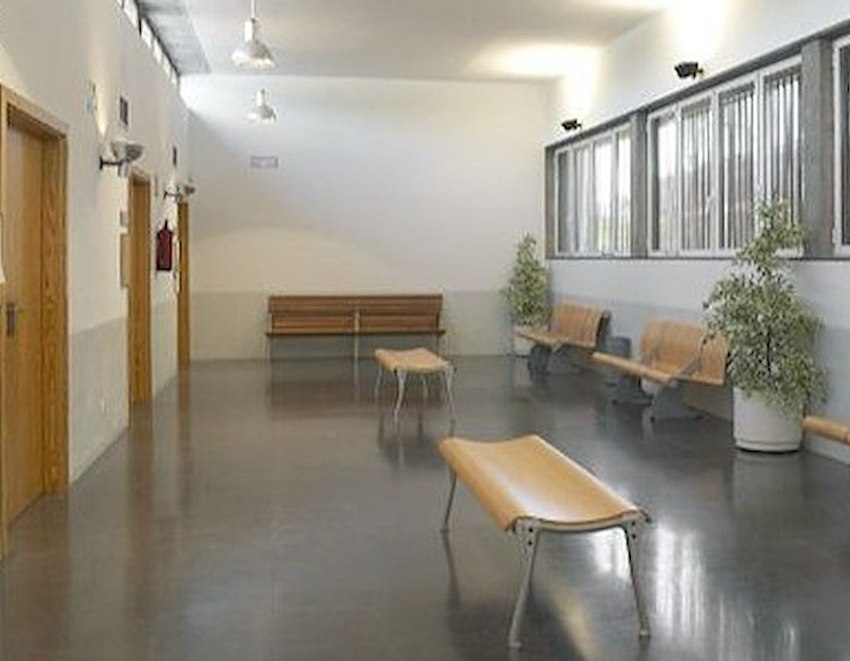
If you are planning medical office construction in Dallas, getting the space right the first time protects patient care and your schedule. As a healthcare-focused contractor, Squarefoot Construction delivers medical facilities projects that meet clinical needs while managing risk so your team can open on time.
The Hidden Cost Drivers In Medical Office Build-Outs In Dallas
Every clinic is unique, yet the same hidden factors tend to push schedules and budgets. Understanding these early helps your design and construction partners build a realistic plan.
- X-ray shielding rooms and imaging suites
- Medical gas systems and alarms
- Infection control during construction
- MEP loads, HVAC zoning, and acoustics
- Permitting, inspections, and building rules
- Workflow-driven casework and finishes
- Phasing in occupied buildings and after-hours work
X-Ray Shielding Rooms And Imaging Suites
Lead-lined walls, doors, and view windows are common in family practice, urgent care, dental, and specialty clinics across Dallas. The amount of shielding varies by equipment model and room layout, so the physics report and equipment submittals must be finalized before framing to prevent rework. Do not install drywall in an imaging room until shielding details are confirmed and materials are on site.
Medical Gas Systems And Alarms
Oxygen, nitrous oxide, and vacuum require certified installers, properly sized piping, and room for manifolds and alarms. Routing lines through existing towers in Uptown, Oak Lawn, or the Medical District can add coordination with building engineers and longer shut-down windows. Verification, labeling, and testing are not optional, so they should be placed in the schedule from day one.
Infection Control During Construction
Dust and airflow matter in active healthcare spaces. Negative air, anterooms, daily cleaning, and contained delivery paths reduce risk for staff and patients. In multi-tenant buildings near Baylor or Parkland, infection control often affects working hours and elevator use. Plan for infection control from the first walkthrough so crews, neighbors, and property management are aligned.
MEP Loads, HVAC Zoning, And Acoustics
Medical suites draw more power for imaging, sterilization, lighting, and IT than typical office spaces. Panels, transformers, and dedicated circuits should be sized from an equipment matrix, not assumptions. Procedure rooms also need stable temperatures and humidity, plus return air strategies that support cleanability and comfort. Acoustic insulation around exam rooms protects privacy and patient experience.
Permitting, Inspections, And Building Rules
Review times and inspection schedules can vary across Dallas and neighboring municipalities. Factor in special building rules like after-hours work, freight elevator reservations, dock access, and noise limits. These rules protect other tenants, yet they also shape your construction calendar. Build schedule buffers for approvals and building logistics to avoid cascading delays.
Workflow-Driven Casework And Finishes
Exam flow drives casework, handwash stations, storage, and placement of sharps and PPE. Durable, easy-to-clean finishes in corridors and treatment areas reduce long-term maintenance. If your team is adding a small lab or sterilization center, verify clearances for equipment doors and service aisles before casework is ordered.
Phasing In Occupied Buildings And After-Hours Work
Many Dallas clinics sit in busy mid-rise buildings where neighbors run 9-to-5. That often means noisy work happens at night, and material deliveries must be timed around security and parking. The plan should include quiet-day activities, after-hours tasks, and a path for debris that avoids patient routes.
Room Types That Add Complexity And Risk
Some rooms demand extra coordination, testing, and inspections. Identifying them early helps you sequence work the right way.
- X-ray and imaging rooms with lead-lined assemblies and specialty doors
- Procedure rooms with added power, lighting, and HVAC control
- Sterilization rooms and clean or dirty utility with washable finishes
- Lab alcoves with sinks, splash protection, and task lighting
- IT rooms for EMR, telehealth, and low-voltage gear with cooling needs
How To Control Costs Without Cutting Corners
Cost control is about clarity, not shortcuts. The earlier your team nails down equipment, pathways, and inspections, the fewer surprises you will see during construction.
Start With Preconstruction And An Equipment Matrix
List every device that touches power, medical gas, water, data, or exhaust, then confirm its size, weight, and utility needs. This simple matrix guides rough-ins and prevents late-stage changes when ceilings are already closed. It also shows where structural backing, blocking, or floor penetrations belong.
Sequence For Occupied Buildings
In districts like Preston Hollow, Lakewood, or the Design District, patient hours and building quiet times shape the schedule. Map out loud work, floor demo, and core drilling for off-hours, then bundle quieter tasks for daytime. That plan helps your neighbors, and it lets your staff focus on patient care instead of construction noise.
Source Long-Lead Items Early
Lead-lined doors, specialty lighting, switchgear, and HVAC controls can take longer to arrive. Confirm submittals quickly, then order critical items as soon as they are approved. Never assume the base building can handle new loads without reviewing drawings and recent test reports.
Design For Durability And Cleanability
Choose wall protection at corners, moisture-resistant substrates near sinks, and resilient flooring where rolling loads are common. Seamless transitions and coved bases help daily cleaning teams work faster. Durable choices pay back over time by reducing maintenance calls and downtime.
Dallas, TX Scheduling And Logistics Realities
Summer heat, winter cold snaps, and traffic near major hospitals all affect deliveries and installation quality. Adhesives and floor products need the right temperature and humidity, and freight timing matters when events downtown crowd the streets. Coordinating with property management for power shutdowns, water tie-ins, and elevator access keeps the project moving.
Local tip: Dallas summers are hot and humid, which affects curing times for flooring, paint, and sealants. Schedule temperature-sensitive work early in the day and allow acclimation time for casework and doors to reduce punch-list items. Your future self will thank you when openings fit, and finishes lay flat.
What About “Small” Spaces And Quick Turnarounds?
Even a 2,000-square-foot suite can carry complex needs. A single X-ray room changes wall construction, door hardware, and inspection steps. Add one sterilization center, and you may need additional ventilation or power. The quicker you share the plan for medical gas, imaging, and infection control, the easier it is to build an accurate schedule.
If you want more practical planning advice beyond this article, you can browse our construction tips to see how preconstruction improves outcomes across project types.
Align Your Team And Avoid Rework
Hold a kickoff meeting where your leadership, facilities team, IT, and the design-build partners sit together. Walk the floor plan and confirm door swings, exam room counts, med gas drops, and data locations. Use colored overlays for power, data, gas, and plumbing to spot conflicts on paper. A one-hour review now can save days later.
When To Bring In The Contractor
Bring your builder in as soon as you have a test fit or an early schematic. A quick constructability review can highlight conflicts between imaging gear, structure, and mechanical systems. It can also surface building rules you might not see in the lease, such as restricted drilling hours or required infection control plans.
Why Choose A Dallas Team Focused On Healthcare
Healthcare projects move faster when your partner already understands clinical workflows and building rules. Squarefoot Construction coordinates with property managers across Dallas and knows how to phase work so staff and patients stay safe. If you need a team that knows medical gas, X-ray shielding, and infection control, our specialists can help you align scope and schedule.
To see how we deliver clinics, urgent care, and specialty suites that work on day one, learn more about our medical office build-outs and how they support your patient experience.
Your Next Step
Ready to start planning with a contractor who understands healthcare? Our commercial construction team serves Dallas and nearby neighborhoods with clear communication and proven processes.
Talk with Squarefoot Construction about your Dallas medical office today. We will help you spot hidden cost drivers early, so your team can open confidently. Call 972-865-5347 to schedule a no-pressure project conversation.