Resources & Insights
How to Create a Temperature-Controlled Warehouse in Texas
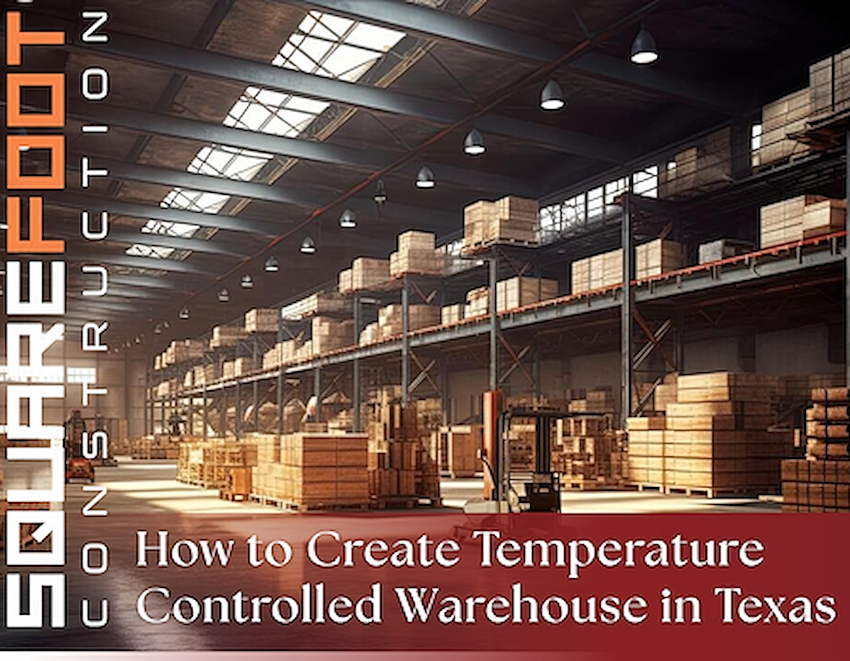
A Guide for Warehouse Owners, Distribution Centers, Manufacturers, and Storage Facilities
Texas is known for its extreme weather conditions, with summer temperatures regularly exceeding 100 degrees. For businesses that store temperature-sensitive products, maintaining a consistent indoor environment is critical for product quality, inventory protection, employee comfort, and operational efficiency.
Whether you operate a distribution center, fulfillment center, pharmaceutical warehouse, medical supply warehouse, manufacturing facility, laboratory storage facility, or industrial storage warehouse, investing in a temperature-controlled warehouse can help protect valuable inventory while improving long-term operational performance.
In this guide, we'll discuss the key factors involved in creating a temperature-controlled warehouse in Texas.
What Is a Temperature-Controlled Warehouse?
A temperature-controlled warehouse is a facility designed to maintain consistent environmental conditions regardless of outdoor weather fluctuations. Unlike standard warehouses, these facilities utilize specialized HVAC systems, insulation, ventilation, and air distribution systems to regulate indoor temperatures.
Temperature-controlled warehouses are commonly used for:
- Pharmaceutical Products
- Medical Supplies
- Laboratory Materials
- Food Products
- Beverage Storage
- Electronics
- Sensitive Manufacturing Components
- Specialty Inventory
- Healthcare Products
- Chemical Storage Materials
Maintaining proper temperatures helps reduce product damage, inventory loss, and quality control issues.
Common Warehouse Temperature Ranges
Different industries require different environmental conditions depending on the products being stored. Maintaining proper temperatures helps protect inventory, improve product quality, and reduce the risk of loss or damage.
| Warehouse Type | Typical Temperature Range |
|---|---|
| General Warehouse | 60°F – 85°F |
| Climate-Controlled Warehouse | 55°F – 75°F |
| Pharmaceutical Warehouse | 68°F – 77°F |
| Medical Supply Warehouse | 60°F – 75°F |
| Laboratory Storage Facility | 65°F – 75°F |
| Food Storage Areas | Varies by product |
Why Temperature Control Is Important in Texas
Texas weather creates unique challenges for warehouse operators. Excessive heat can negatively impact both products and facility operations.
Common issues caused by poor environmental control include:
Why Temperature Control Matters
During Texas summers, exterior temperatures can regularly exceed 100°F, and warehouse roof temperatures can reach 140°F to 170°F. Without proper HVAC systems, insulation, and airflow management, interior warehouse temperatures can rise significantly above recommended storage conditions.
Common issues caused by poor environmental control include:
Product Damage
Many products have specific storage temperature requirements. Excessive heat can affect:
- Pharmaceuticals
- Medical Equipment
- Food Products
- Chemicals
- Electronics
- Packaging Materials
Reduced Employee Comfort
Warehouses with inadequate cooling systems can create uncomfortable working conditions, impacting productivity and employee satisfaction.
Increased Equipment Stress
Higher temperatures can place additional strain on warehouse equipment, refrigeration systems, machinery, and technology infrastructure.
Inventory Loss
Improper environmental conditions can lead to damaged inventory, increased waste, and costly replacements.
Key Components of a Temperature-Controlled Warehouse
Creating a successful temperature-controlled warehouse requires more than simply adding air conditioning.
Warehouse HVAC Upgrades
The HVAC system serves as the foundation of environmental control.
Common warehouse HVAC improvements include:
- High-Capacity HVAC Systems
- Industrial Air Handling Units
- Warehouse Cooling Systems
- Climate Control Equipment
- Zoned Temperature Controls
- Smart Building Controls
- Energy-Efficient HVAC Upgrades
A properly designed HVAC system helps maintain consistent temperatures throughout the facility.
Benefits of HVAC Upgrades
| Before HVAC Upgrade | After HVAC Upgrade |
|---|---|
| Hot and cold spots throughout facility | More consistent temperatures |
| Reduced employee comfort | Improved working environment |
| Greater risk of product damage | Better inventory protection |
| Uneven airflow | Improved air circulation |
| Higher strain on equipment | More efficient operation |
Air Distribution & Ductwork Improvements
One of the most overlooked components of warehouse cooling is proper airflow.
Many warehouses experience:
- Hot Spots
- Uneven Cooling
- Poor Air Circulation
- Temperature Fluctuations
Improving air distribution often involves:
- New Ductwork Installation
- Ductwork Modifications
- Airflow Optimization
- Ventilation Improvements
- Return Air Adjustments
- Strategic Air Supply Placement
Proper airflow ensures products receive consistent environmental protection throughout the warehouse.
Insulation Improvements
Without adequate insulation, conditioned air can escape while outside heat enters the building.
Common insulation upgrades include:
- Roof Insulation
- Wall Insulation
- Insulated Warehouse Doors
- Thermal Barriers
- Energy-Efficient Building Envelopes
Insulation plays a significant role in reducing HVAC operating costs.
Climate-Controlled Storage Areas
Not all inventory requires the same temperature range.
Many warehouse owners create dedicated climate-controlled storage areas ranging from 200 square feet to 5,000+ square feet, depending on inventory requirements and operational needs
Many facilities create dedicated:
- Climate-Controlled Storage Rooms
- Temperature-Controlled Product Storage Areas
- Pharmaceutical Storage Areas
- Medical Supply Storage Rooms
- Laboratory Storage Facilities
These specialized spaces allow greater environmental control for critical inventory.
Industries That Benefit from Temperature-Controlled Warehouses
Temperature-controlled warehouse environments are commonly utilized by:
Pharmaceutical Warehouses
Pharmaceutical products often require strict environmental controls to maintain product integrity and regulatory compliance.
Medical Supply Warehouses
Medical equipment and healthcare supplies frequently require controlled storage environments.
Healthcare Distribution Centers
Healthcare distribution facilities depend on consistent temperatures to protect inventory before delivery.
Laboratory Storage Facilities
Laboratory products, testing materials, and specialized equipment often require stable environmental conditions.
Food & Beverage Warehouses
Many food and beverage products require controlled environments to maintain freshness and quality.
Manufacturing Facilities
Manufacturers often store sensitive materials, components, and finished products that benefit from temperature-controlled environments.
Additional Warehouse Improvements That Support Climate Control
Many warehouse owners choose to combine HVAC upgrades with additional facility improvements.
Warehouse Office Buildouts
One of the most common warehouse renovation projects involves converting underutilized space into offices. In many facilities, conference rooms, storage rooms, or unused warehouse areas can be reconfigured into additional offices, helping maximize existing square footage without expanding the building.
Popular warehouse renovation projects include:
- Warehouse Office Renovations
- Warehouse Office Buildouts
- LED Lighting Upgrades
- Warehouse Reconfigurations
- Warehouse Expansions
- Interior Facility Improvements
- Commercial Gas Line Installations
- Laboratory Renovations
- Epoxy Flooring Installation
- Warehouse Infrastructure Upgrades
Combining improvements often provides greater long-term operational benefits.
Signs Your Warehouse May Need HVAC Upgrades
Consider evaluating your warehouse if you experience:
- Inconsistent Temperatures
- Employee Complaints About Heat
- Product Quality Issues
- Inventory Damage
- High Utility Costs
- Poor Air Circulation
- Excessive Humidity
- Uneven Cooling Throughout the Facility
Addressing these issues early can help prevent larger operational problems.
Choosing the Right Warehouse Remodeling Contractor
When planning a warehouse HVAC upgrade or climate-controlled warehouse renovation, it is important to work with a contractor experienced in commercial and industrial construction.
Look for a contractor that understands:
- Warehouse Operations
- Industrial Construction
- HVAC Coordination
- Facility Renovations
- Temperature-Controlled Storage Environments
- Warehouse Office Buildouts
- Operational Efficiency Improvements
- Long-Term Facility Planning
A properly planned warehouse renovation can significantly improve efficiency, product protection, and facility performance.
Warehouse Remodeling & HVAC Upgrades in Dallas-Fort Worth
Squarefoot Construction provides warehouse remodeling, warehouse HVAC upgrades, climate-controlled warehouse improvements, industrial facility renovations, office buildouts, laboratory renovations, and commercial construction services throughout Dallas, Fort Worth, Plano, Frisco, McKinney, Allen, Richardson, Irving, Carrollton, Garland, Arlington, and surrounding DFW communities.
Whether you're upgrading an existing warehouse, expanding storage capacity, creating climate-controlled storage areas, or improving warehouse cooling performance, our team can help develop solutions tailored to your operational requirements and long-term business goals.
Looking to Create a Temperature-Controlled Warehouse?
Contact Squarefoot Construction to discuss your warehouse renovation, HVAC upgrade, climate-controlled storage project, or industrial facility improvement throughout the Dallas-Fort Worth area.